
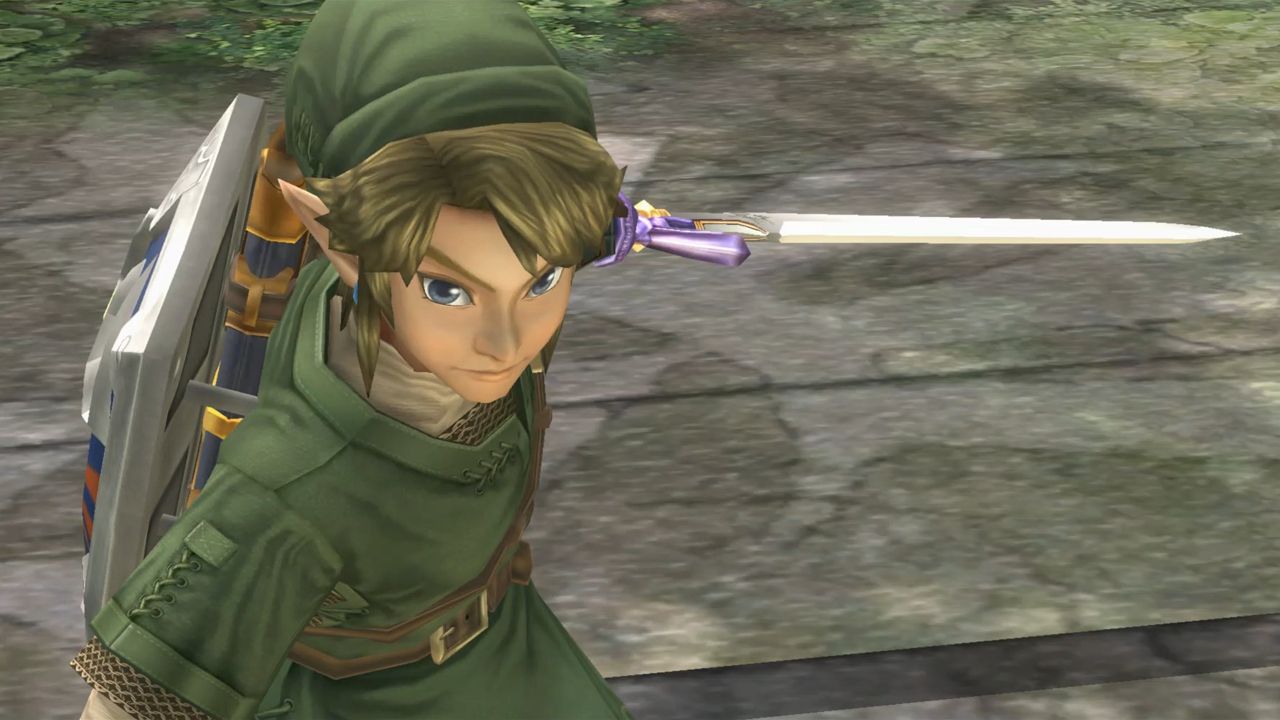
The recent decompilation of The Legend of Zelda: Twilight Princess marks a momentous occasion for fans of the beloved franchise. After more than two years of dedicated effort, the GameCube classic has now been fully stripped back to its source code, providing a tantalizing glimpse into the mechanics and potential improvements for the iconic game.
Understanding Decompilation
Decompilation is a process that involves taking a compiled program (like a video game) and converting it back into a form of source code that can be better understood and modified. This endeavor opens up a wealth of possibilities for fan-made projects, including potential PC ports, modding opportunities, and even cross-platform enhancements. The enthusiasm surrounding decompilation efforts is emblematic of a broader trend in the gaming community, where fans actively preserve and rejuvenate nostalgic titles, often breathing new life into them.
Ripple Effects from Previous Projects
The success of earlier fan projects, such as the Ocarina of Time port through Ship of Harkinian and the Majora’s Mask port dubbed 2Ship2Harkinian, has generated a significant amount of interest in decompiling other 3D Zelda games. These projects showcase how decompilation can lead to innovative adaptations, allowing players to experience classic games with modern enhancements. As highlighted by a ResetEra user, the latest decompilation of Twilight Princess has set the stage for similar endeavors, which fans are already eagerly discussing.
Current Developments and Challenges
Despite the excitement, it’s essential to note that the decompilation does not guarantee that a PC port will emerge. A case in point is Mario Party 4, which was also decompiled but has yet to see a native PC version. One user in the Twilight Princess discussion pointed out a significant hurdle: the graphics translation layer for GameCube and Wii games remains incomplete. This issue poses a challenge for developers looking to transition games from console to PC effectively.
The Potential for Twilight Princess
However, the high popularity of Twilight Princess compared to lesser-known titles like Mario Party may increase the likelihood of a successful port. The immense fan base and the community’s dedication could motivate developers to address existing technical challenges. If past trends are any indication, interest from the community combined with the game’s legacy could lead to unexpected innovations and adaptations.
The Broader Impact of Decompilation
Decompilation efforts have become an essential aspect of retro gaming in the 2020s, with numerous projects reviving classics and making them accessible to a new generation. The remarkable transformation of games like Super Mario 64—which received a stunning ray-tracing makeover—and various adaptations of iconic N64 titles exemplifies the potential of fan-led initiatives.
The gaming landscape is experiencing a renaissance, fueled by a community that values preservation and innovation. As players, modders, and developers unite, a wave of creativity is emerging, reshaping how we interact with the games of our past.
Community Involvement and Enthusiasm
The vibrant community centered around decompiled titles is crucial to these projects’ success. Enthusiastic fans share insights, resources, and feedback on forums like ResetEra and GitHub, where projects are often birthed and fostered. This collaborative spirit not only cultivates a rich exchange of ideas but also enhances the technical knowledge necessary to surmount challenges linked to decompilation and porting.
As the decompilation of Twilight Princess progresses, players and developers alike await what could be a groundbreaking opportunity for experiencing one of history’s most cherished gaming adventures in entirely new ways. The ongoing dialogue within the community sits at the precipice of innovation and nostalgia, promising an exciting future for the Zelda franchise.
Exploring these possibilities emphasizes the power of community-driven projects and the nostalgia that fuels them, making the world of retro gaming an engaging place to be.