
Meta’s Strategic Shift: The Fall of Virtual Reality Dreams
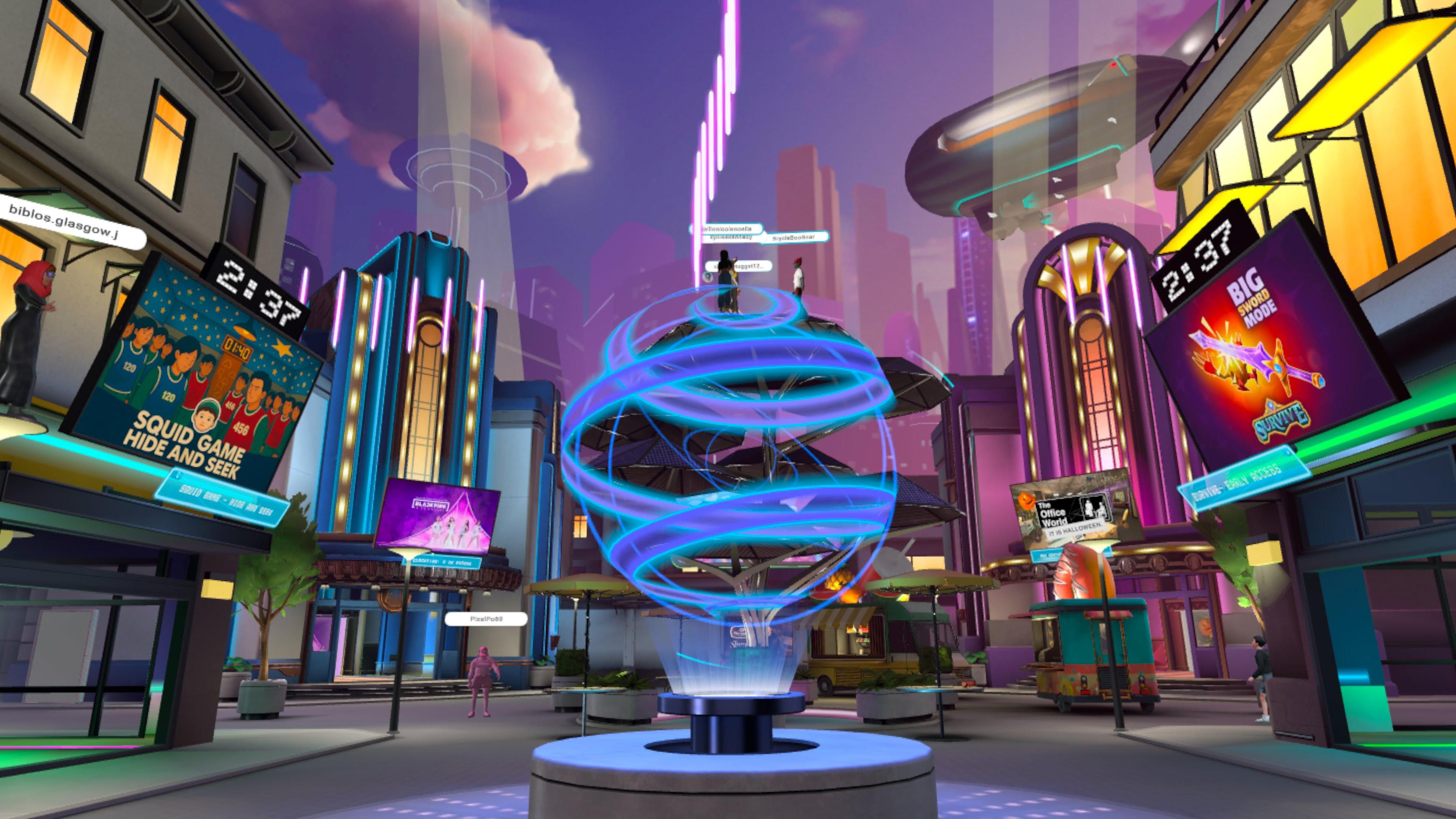
Meta, the parent company of Facebook, has made headlines with a startling pivot away from its ambitious virtual reality (VR) initiatives. Recently, Reality Labs VP Samantha Ryan announced that Meta is “explicitly separating” Horizon Worlds from its Quest VR platform, focusing almost solely on mobile. This decision marks a significant turning point for the tech giant, which had previously pinned its future on VR technology.
A Dramatic Retreat
The news comes on the heels of some difficult months for the Reality Labs division. Meta laid off about 10% of its workforce, shuttering three key VR studios, which included Twisted Pixel and Sanzaru Games. Furthermore, popular products related to VR, such as the Supernatural fitness app and the Horizon Workrooms—the company’s venture into workplace metaverses—have been discontinued. Each of these moves felt like a step back, but the announcement about Horizon Worlds represents a full-scale retreat from Meta’s once-fervent VR vision.
From VR Visionary to Mobile Focus
Horizon Worlds, initially launched in late 2021 as Meta’s flagship metaverse experience, was intended to be a cornerstone of an immersive social connection platform. However, with the recent shift, this vision is now being repositioned to compete with mobile gaming powerhouses like Roblox and Fortnite. This indicates a fundamental change in not only how Meta views its product offerings but also how it perceives the future of social interaction.
Ryan stated unequivocally that the focus for Horizon Worlds will be on mobile users, marking a pronounced shift from the immersive VR experience it originally aimed to deliver. This represents a significant departure from the company’s foundational goals; what was once envisioned as a sprawling, interactive VR space is being relegated to the constraints of mobile screens.
The Cultural Impact and Market Competition
By pivoting its strategy, Meta aims to tap into the lucrative mobile gaming market, an area that has flourished even as VR technologies have struggled for mainstream acceptance. Competing directly with established players such as Roblox and Fortnite presents both an opportunity and a challenge. While these games have capitalized on community engagement and user-generated content, Meta faces the uphill task of redefining its user base and gaining traction in a highly competitive landscape.
The Reality Check
This pivot signals a moment of introspection within Meta. The ambitious plans laid out in 2021 are now being overshadowed by the reality of slow adoption rates for VR technologies. The decision to shift focus may be seen as an admission that the anticipated “VR revolution” isn’t occurring on Meta’s timeline. The once-certain narrative of VR as the future of social interaction is now deeply challenged, raising questions about the long-term viability of the company’s commitment to immersive technologies.
Grasping the Future
While the restructuring might seem like a step back, it could also provide Meta with a platform to innovate within the mobile space, potentially creating features or experiences that leverage their existing expertise in social networking. However, whether this pivot will satisfy users and stakeholders remains to be seen.
As Meta navigates this dramatic shift, the tech community and its users will closely observe how the company adapts to this new direction and what it means for the future of digital interaction. The real question looms: will mobile-centric Horizon Worlds capture the imagination of users in the way that VR once promised?