
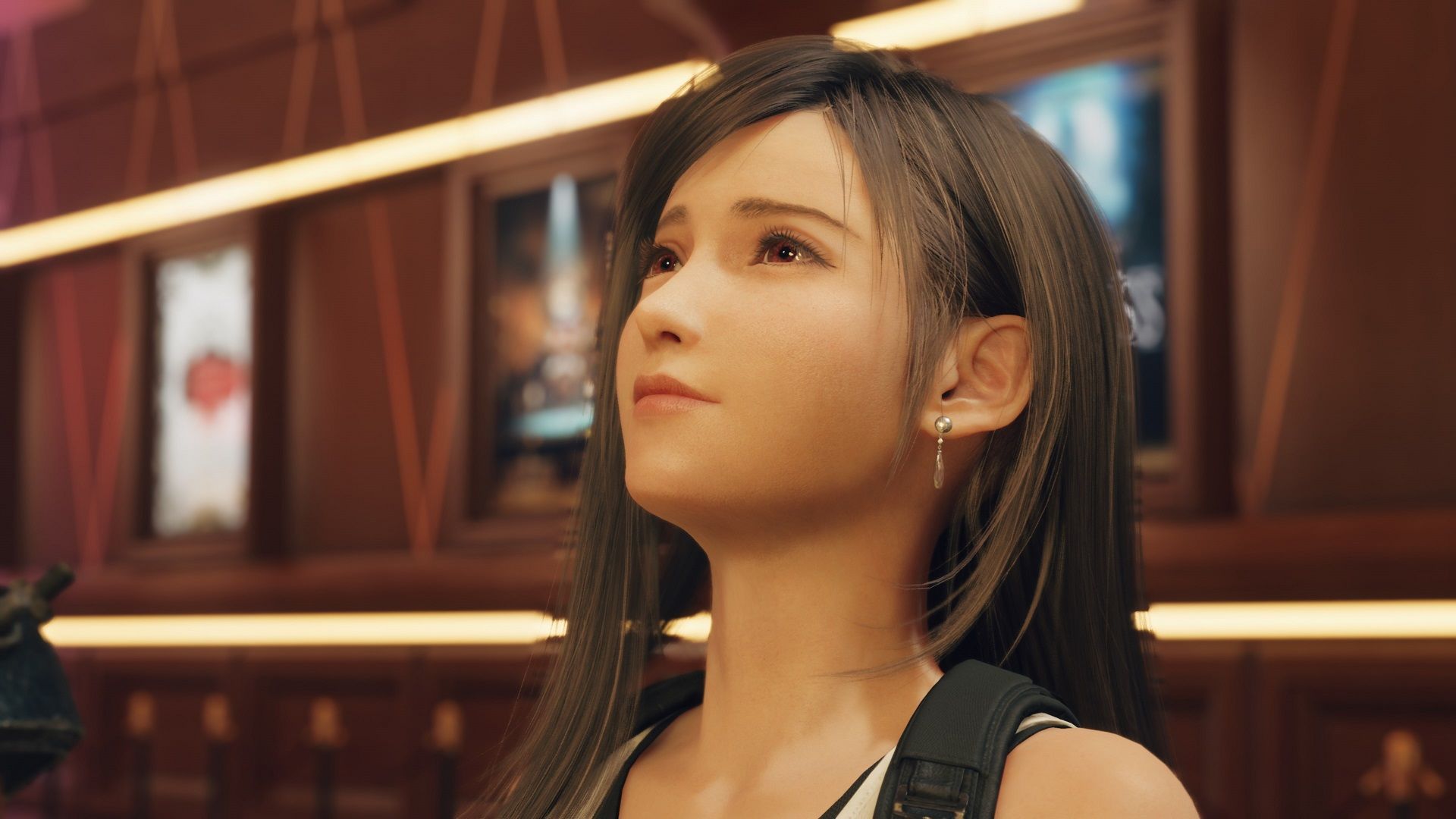
Naoki ‘Yoshi-P’ Yoshida, the mastermind behind Final Fantasy XIV, has been vocal about a concerning trend in the beloved Final Fantasy franchise. He believes that the long gaps between new releases have alienated younger players from truly engaging with a series that has become a cornerstone of RPG history. His insights have sparked discussions about the demographic shifts in gaming, particularly within the realm of iconic titles like Final Fantasy VII Rebirth.
Demographic Trends in Gaming
Recent data from Circana reveals that 62% of players in the U.S. who engaged with Final Fantasy VII Rebirth are aged 35 or older. This figure becomes even more striking when you consider that 77% of players are 30 or older. This suggests that as the series approaches its 40th anniversary, its audience is aging alongside it.
This demographic trend is particularly noteworthy given the rapid evolution of the gaming landscape. While many series like Zelda have managed to evolve and attract new players across generations, Final Fantasy appears stuck in a loop that keeps its fanbase predominantly middle-aged. The long release cycles could be a significant factor — after all, younger gamers may not have had sufficient opportunities to connect with the series in its formative years.
Bridging the Generational Divide
Yoshida has expressed optimism about potential solutions. He points to titles like Dissidia Duellum Final Fantasy, a free-to-play mobile game that aims to entice younger audiences by leveraging popular trends like social media interaction. However, there’s skepticism about whether this strategy will effectively convert mobile gamers to traditional RPG fans.
For many, the connection between mobile PvP (Player versus Player) games and single-player RPGs often feels tenuous at best. While some players may indeed try Final Fantasy XVI after enjoying the new Dissidia, the crossover potential seems limited. The action-oriented mechanics favored in newer titles are designed with a modern audience in mind, but they risk alienating those who appreciated the series for its classic turn-based gameplay.
The Contrasting Success of Other Franchises
The success of Baldur’s Gate 3 and Clair Obscur: Expedition 33 stands as a testament to the enduring appeal of traditional RPG elements. These games have embraced classic mechanics, garnering accolades and a passionate community eager to share their experiences. This has raised questions about Square Enix’s strategy in reinventing Final Fantasy in ways that may not resonate with long-time fans.
The reception of these newer titles suggests that a significant number of gamers still cherish the intricate storytelling and strategic depth found in classic RPG gameplay. In contrast, Final Fantasy’s ongoing pivot toward action-oriented play may be a miscalculation that restricts its appeal.
Understanding Younger Gamers’ Expectations
Yoshida notes that younger gamers are accustomed to a different gameplay paradigm, characterized by fast-paced, action-based combat and online competitive play. The push to modernize and simplify mechanics to engage this audience is evident — yet, it raises the question of whether this is a net positive. While evolution is crucial in gaming, there has to be a balance that honors the series’ roots while still appealing to new players.
By focusing on the expectations of a demographic that may not fully appreciate what made Final Fantasy legendary in the first place, Square Enix risks alienating its loyal fanbase. This generational divide highlights a crucial challenge: how to marry the nostalgia of veteran players with the expectations of the modern gaming landscape.
Conclusion: A Fork in the Road
As it stands, Final Fantasy is at a crossroads. The series faces the challenge of retaining its existing fans while also trying to engage younger players. Encouragingly, there is still a considerable market of loyal players who hold dearly the traditions of RPG gaming. Whether Square Enix will recognize and adapt to this bifurcation will determine the future path of one of gaming’s most iconic franchises.
Whatever the outcome, both old and new gamers will undoubtedly find merit in exploring the best that the Final Fantasy series has to offer. After all, the realm of Eorzea and beyond still beckons — rich with stories, characters, and worlds waiting to be discovered.